
Forged in the Margins: The History of Tyrrell
Tyrrell is a team that challenged convention, engineered the improbable, and in doing so, carved a place in motorsport history that outlasts the record books.
Only 15 teams have ever won the Formula 1 Constructors’ World Championship since its inception.
From a small workshop in Surrey came world champions, radical concepts, and a quietly unshakeable belief in doing things differently.
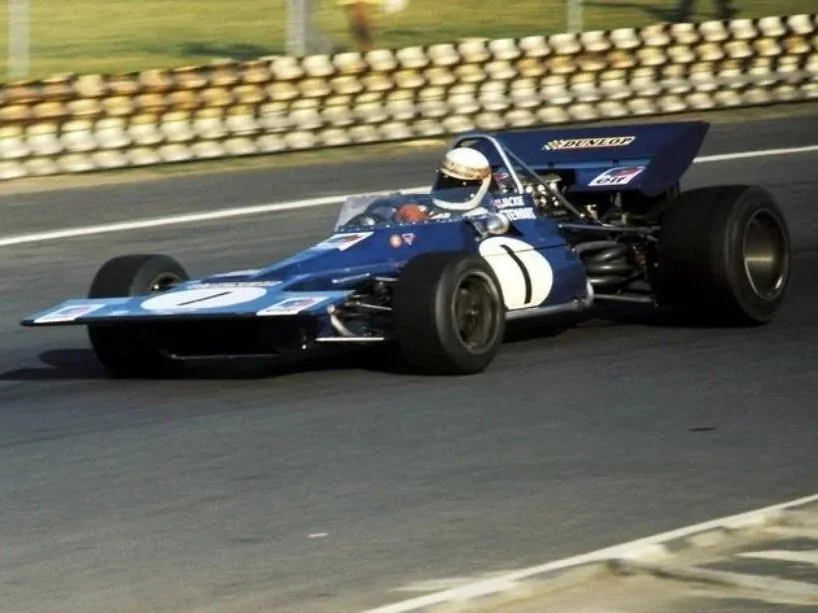
In 1971 the newly named Team Tyrrell went head-to-head with the well established BRM and Ferrari outfits, winning the Drivers’ and Constructors’ titles with a dominant Jackie Stewart and the Tyrrell 003. Stewart then went on to give Tyrrell its third Drivers World Championship in 1973 at the wheel of the 006.
Including racing as Matra International, the Tyrrell team’s all-time 33 race wins put the team 9th most successful, ahead of Benetton, BRM, Cooper, Alfa Romeo, Maserati, and many more.
With 463 race starts, the team has the 6th longest record of competition in Formula 1, racing at the highest level for more than 30 years, from 1968 through to 1998.
Tyrrell History Series
We delve into the archives to find out more about the origins of Tyrrell, the stories and moments that made the team iconic.
To learn more about Tyrrell through the ages, from the team’s early routes as Matra International, through to the the team today, click the links below.
The Founder: Ken Tyrrell
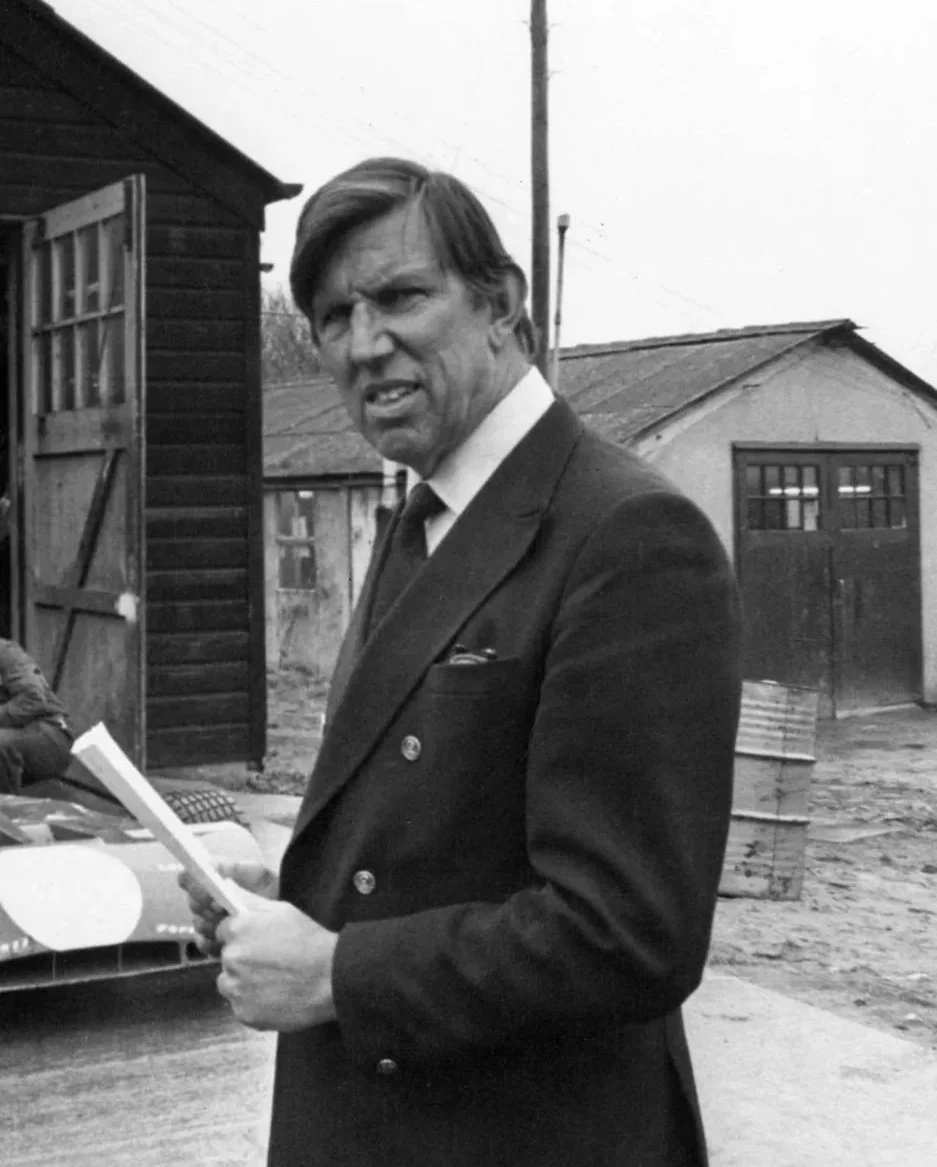
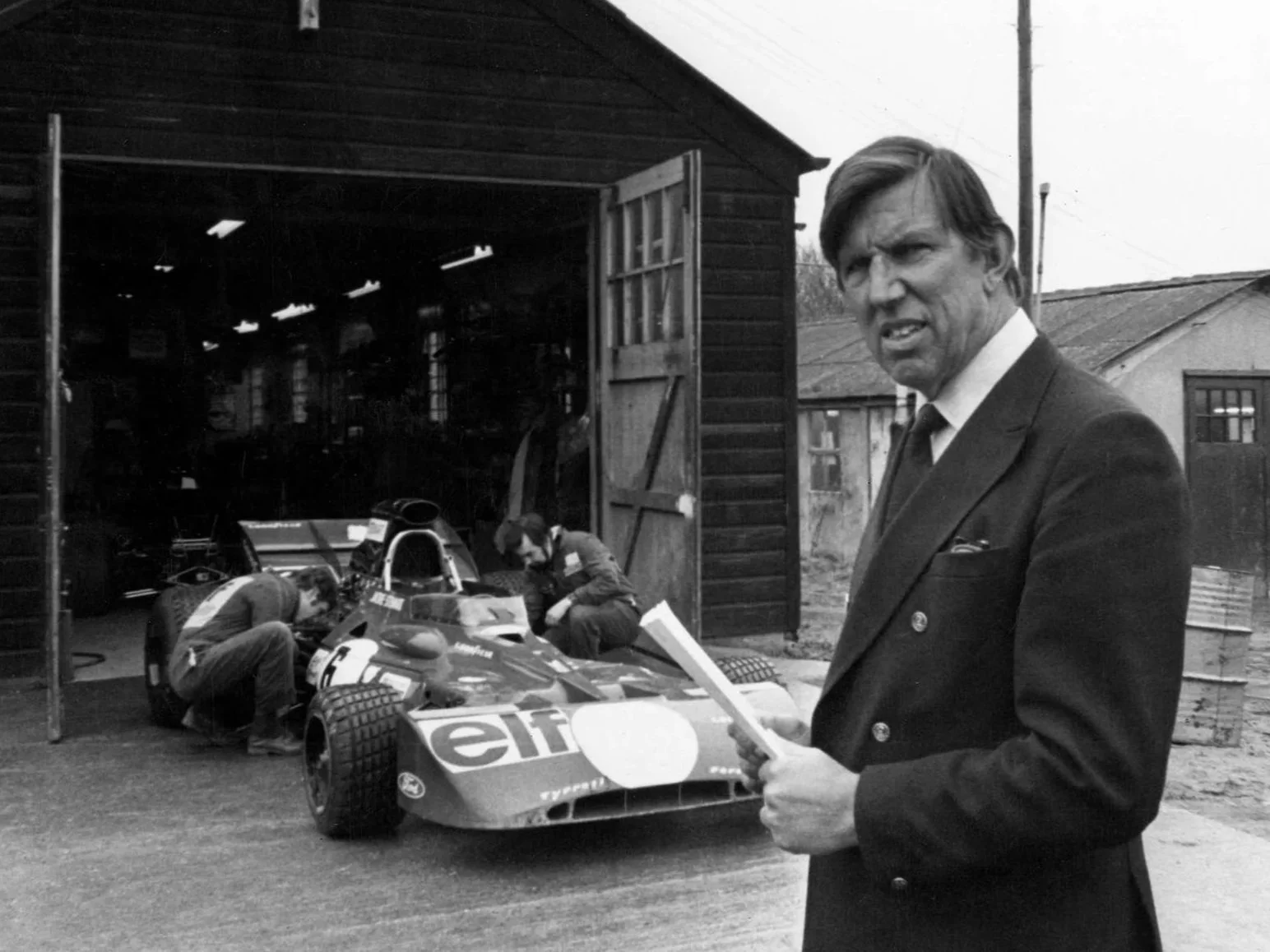
Ken Tyrrell did not build his team from a polished HQ. He built it from a timber yard in Surrey, in and around the sheds at Ockham, with the belief that the right people and good engineering, done properly, could beat anyone.
Born in East Horsley in 1924, Tyrrell started as a racer and quickly learned he was better at building a programme than being the hero in the cockpit. He was famously unsentimental about it, admitting he “probably wasn’t brave enough.” From there, his gift became judgement: spotting talent, backing it hard, and holding everyone (including himself) to a simple standard, which is why Jackie Stewart could later say, “We never had a written contract… just a handshake.”
That mix of warmth and steel defined him. In the paddock he was “Uncle Ken”, a team owner with an avuncular way about him, but also a “straight shooter” with little patience for nonsense. His teams were close-knit, practical, and intensely human, built around belief more than budget.
Tyrrell’s name became shorthand for independent excellence: a privateer proving that you did not need a factory to beat the factories.
That principle remains the foundation of Tyrrell today, as the brand returns to the track and brings its story back to life.
Timeline
-
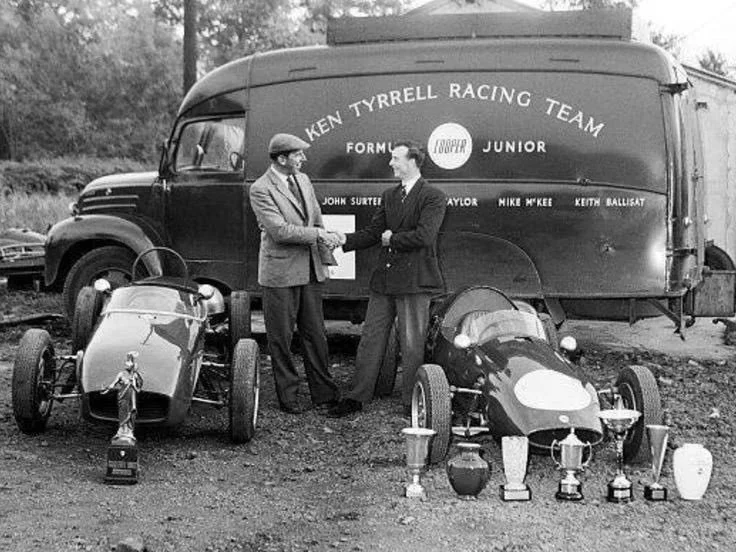
Ken Tyrrell establishes his operation in the junior formulas, starting in Formula Three, long before “Motorsport Valley” became a cliché. The early years are defined by resourcefulness, a small crew, and a talent for spotting drivers who could outgrow their machinery.
-
Tyrrell signs Jackie Stewart, beginning a partnership that becomes the defining relationship of the team’s golden era. It is the start of Tyrrell’s reputation as a driver-maker, with the team later giving major breaks to multiple future Grand Prix winners.
-
Before “Tyrrell” is a full-time F1 constructor, the team enters the 1966 German Grand Prix with F2-spec Matras, a first brush with the World Championship paddock and its politics.
-
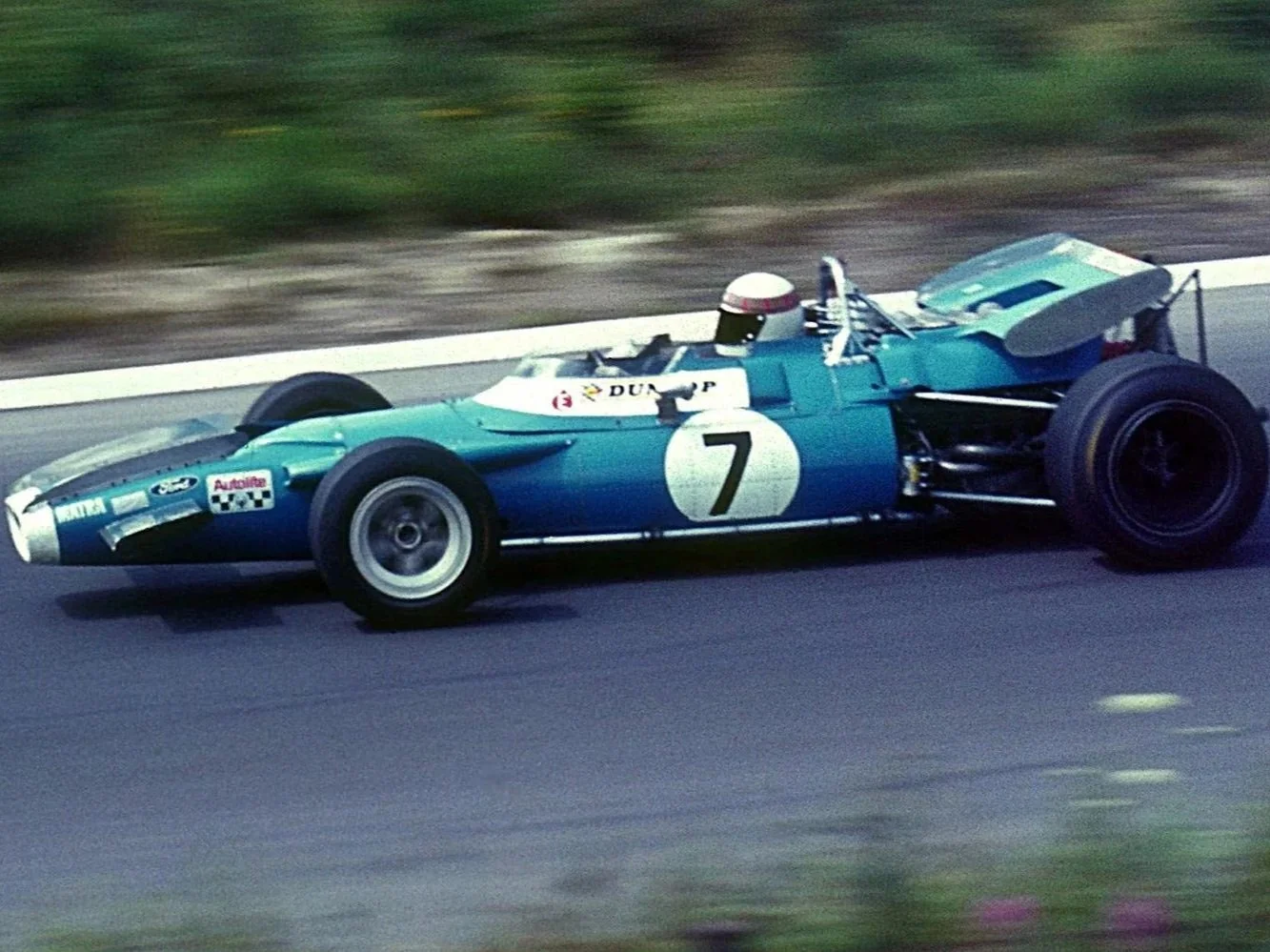
With Ford and Elf support, Tyrrell steps properly into F1 as the Matra International entrant. Stewart wins three Grands Prix in year one, immediately putting the operation among the sport’s sharpest outfits.
-
The Tyrrell-run Matra features aviation-inspired structural fuel tanks, a weight and stiffness advantage that becomes controversial and is later banned, underlining how quickly good ideas can be legislated out of existence.
-
Stewart dominates the season and wins his first Drivers’ Championship in a Matra-Ford Cosworth run by Tyrrell, while Matra (via the Tyrrell-led privateer entry) takes the Manufacturers’ Cup.
-
Matra’s push toward its V12 forces a break with the Cosworth DFV plan. Tyrrell buys a March 701 as a temporary solution while building its own car in secrecy.
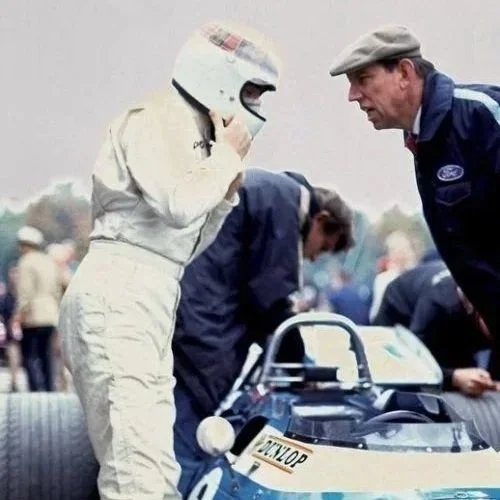
19 Apr 1970: First F1 win for a Tyrrell-entered team
At Jarama, Stewart wins the Spanish Grand Prix in a March 701 entered by Tyrrell. It is also noted as the last win for a privately entered car in Formula One.
-
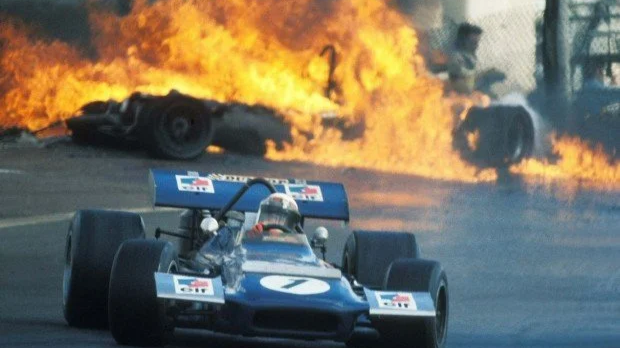
The first Tyrrell F1 car is built in complete secrecy and appears late in 1970, showing immediate pace (including leading races) even if reliability bites. It is the moment Tyrrell stops being a customer team and starts shaping its own destiny.
-
The Tyrrell 003 debuts at the Spanish Grand Prix and wins first time out, a statement that the team can build as well as it can manage.

1971: World Champions (Drivers and Manufacturers’ Cup)
Stewart wins the Drivers’ Championship, and Tyrrell-Ford takes the International Cup for F1 Manufacturers. This becomes the team’s only F1 constructors-style title under its own name.
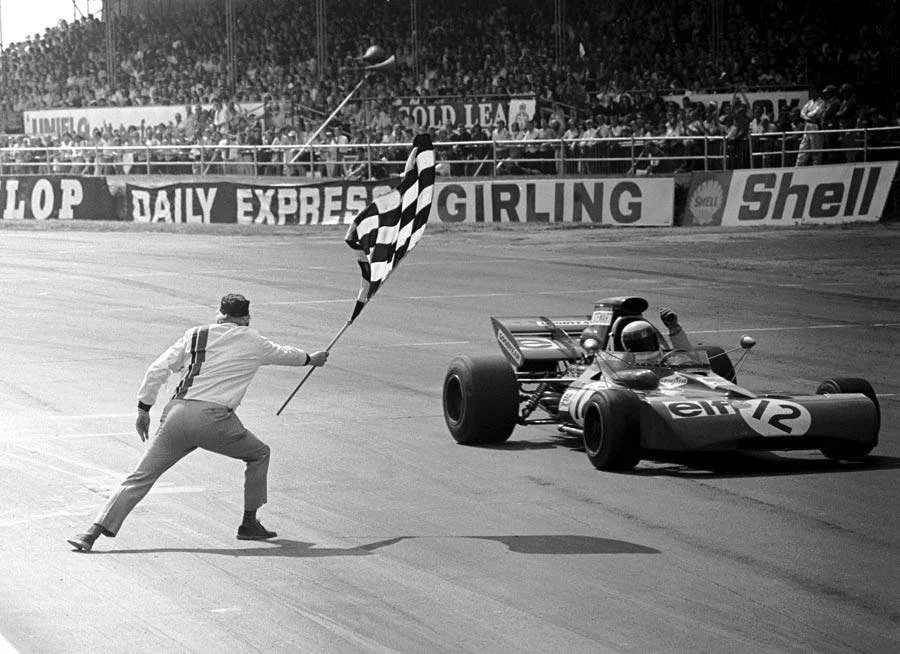
3 Oct 1971: Cevert’s breakthrough at Watkins Glen
François Cevert wins the United States Grand Prix for Tyrrell, his only Grand Prix victory, and a sign that Tyrrell is building a serious next generation around Stewart.

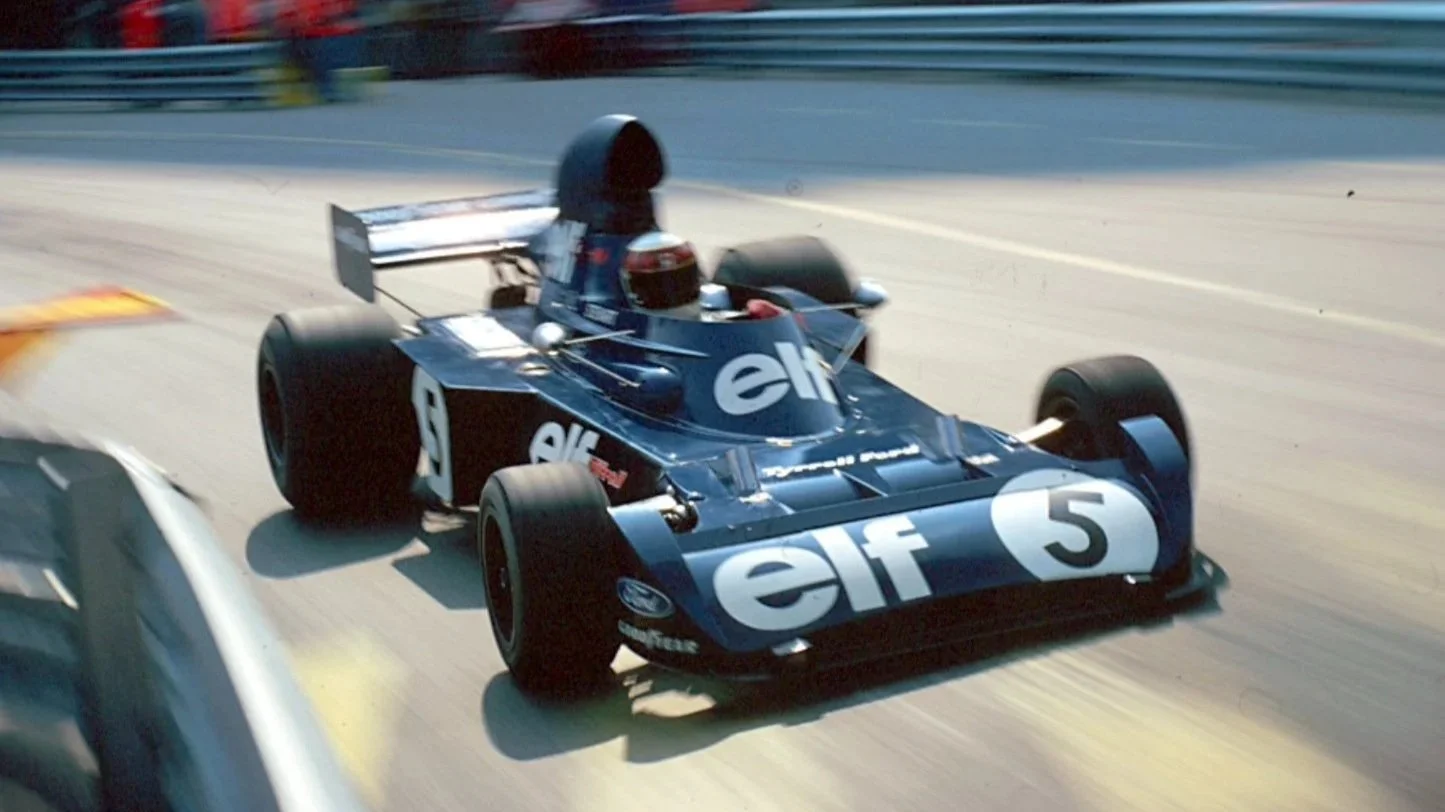
1973: The Tyrrell 006 and Stewart’s third crown
In the Tyrrell 006, Stewart wins his third Drivers’ Championship. It is the final peak of the Stewart era, and one of the team’s defining cars.
-
Cevert is killed in practice for the final race of the season. Tyrrell withdraws from the Grand Prix; Lotus ultimately takes the Manufacturers’ title, and Stewart’s retirement becomes immediate and irreversible.
-
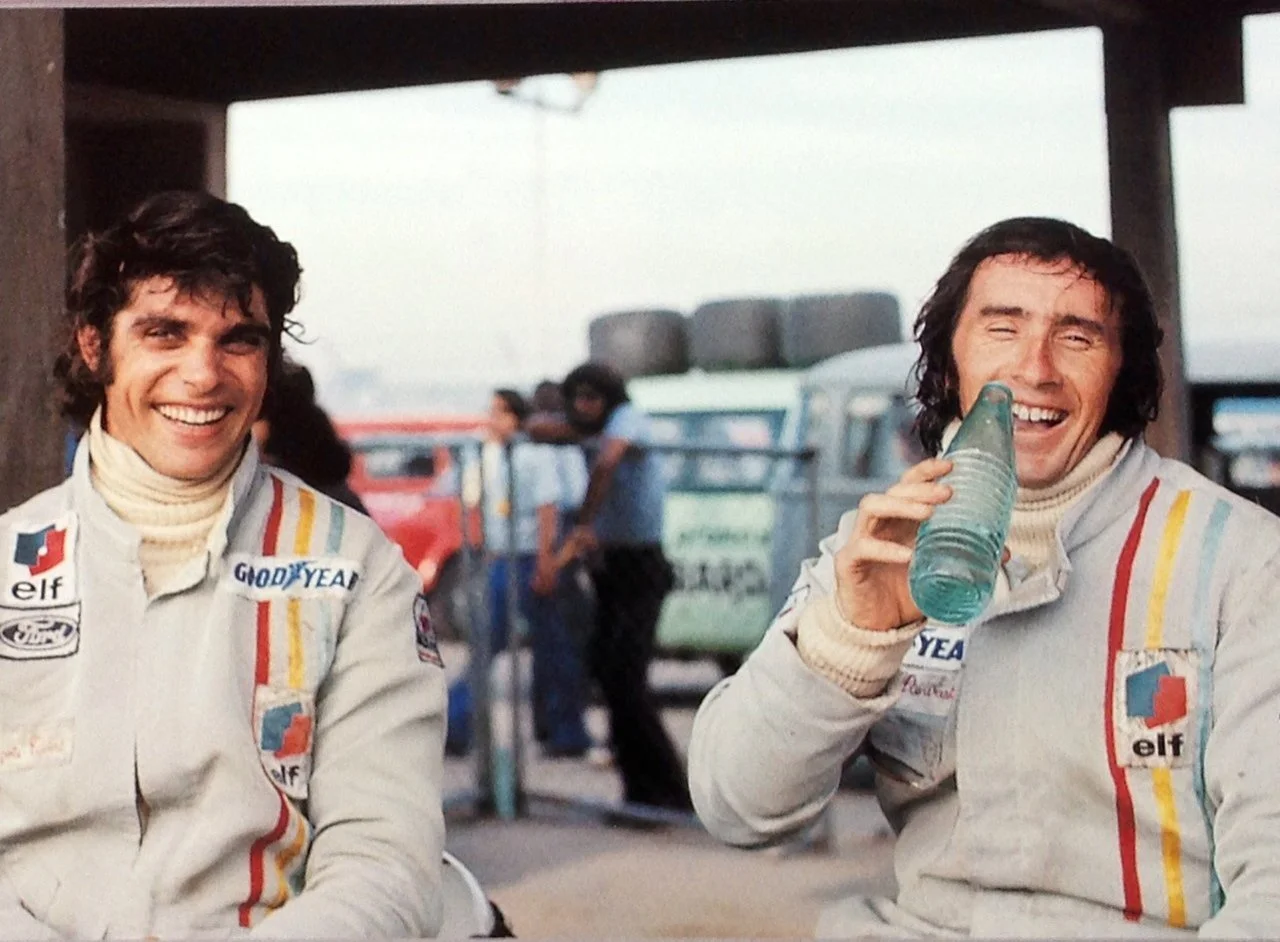
With Stewart gone, Tyrrell retools around Jody Scheckter and Patrick Depailler. At Anderstorp, Scheckter takes his first Grand Prix win and Tyrrell lands a dominant 1–2, proving the team can survive its biggest transition.
1976: Six wheels, one unforgettable win
The Tyrrell P34, Derek Gardner’s six-wheeled experiment, hits its high point at the Swedish Grand Prix with Scheckter leading Depailler home for another 1–2. It remains the only six-wheeled car to win a Formula One race.

-
The concept is abandoned as tyre development for the smaller front wheels becomes a limiting factor, illustrating how often innovation depends on supplier commitment as much as engineering bravery.
-
Patrick Depailler wins the Monaco Grand Prix for Tyrrell, the team’s last victory in the Principality and one of the purest “driver on a street circuit” Tyrrell moments.
-
Tyrrell secures major sponsorship (including Candy) as the sport professionalises financially. The team remains competitive enough to take podiums, even as ground-effect and budgets reshape the order.
-
Michele Alboreto wins the Caesars Palace Grand Prix for Tyrrell, the team’s first victory since 1978. It is also the last F1 race held at Caesars Palace in that era.
-
Alboreto wins the Detroit Grand Prix, Tyrrell’s last victory in Formula One. It is also described as the final win for the Ford Cosworth DFV line in F1, closing a major technical chapter.
-
A dispute over weight and a water tank system using water and lead shot ends with Tyrrell being disqualified from the season, a bruising moment that also captures how political the turbo-era paddock had become.
-
In the one-season Jim Clark Trophy and Colin Chapman Trophy classifications for non-turbo runners, Tyrrell wins the constructors-side Colin Chapman Cup, underlining how stubbornly the team kept punching in a turbo world.
-
The Tyrrell 019 introduces a raised nose concept that becomes a template for modern F1 aerodynamics. The idea is later widely copied across the grid.
-
At the 1990 United States Grand Prix, Jean Alesi finishes second for Tyrrell after a headline duel for the lead, one of the great “underdog car, superstar drive” races of the era.
-
Alesi backs Phoenix up with second at Monaco, giving Tyrrell a rare run of front-of-grid relevance in the early 1990s.
-
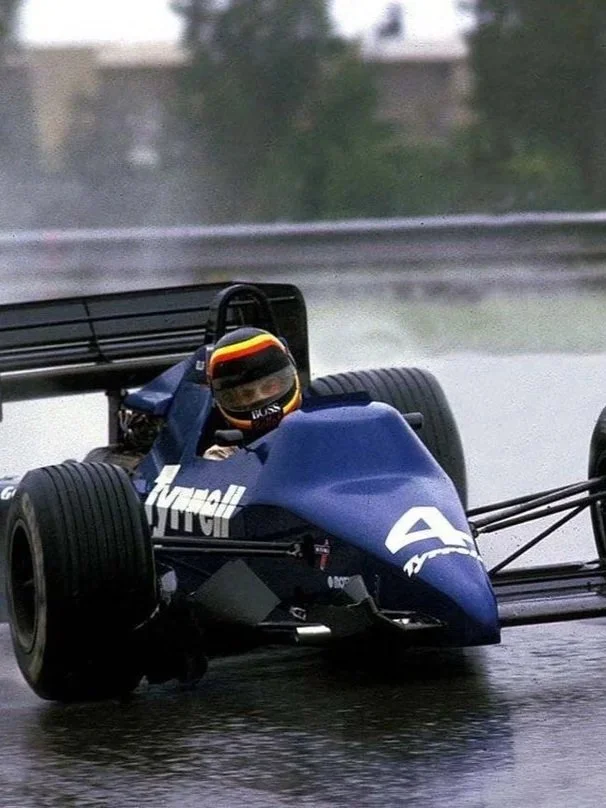
With Honda V10 engines, Tyrrell takes a standout second place at the Canadian Grand Prix via Stefano Modena, a reminder that sharp operations can still steal big results in chaotic races.
-
Mark Blundell finishes third at the Spanish Grand Prix in a Tyrrell-Yamaha, which is widely cited as the team’s last F1 podium.
-
Tyrrell introduces the “X-wing” sidepod-mounted winglets in search of downforce, triggering a brief arms race that other teams soon follow.
-
By 1998 the concept is outlawed on safety grounds after several teams adopt it, ending one of F1’s stranger short-lived aero trends.
-
British American Tobacco, with Craig Pollock, agrees to acquire Tyrrell, with the team running on as “Tyrrell” for 1998 before becoming BAR the following season.
-
The Japanese Grand Prix is the team’s last World Championship appearance as Tyrrell before the rebrand and transition to BAR.
-
Ken Tyrrell dies in East Horsley, closing the life of one of F1’s most influential privateer team owners.
-
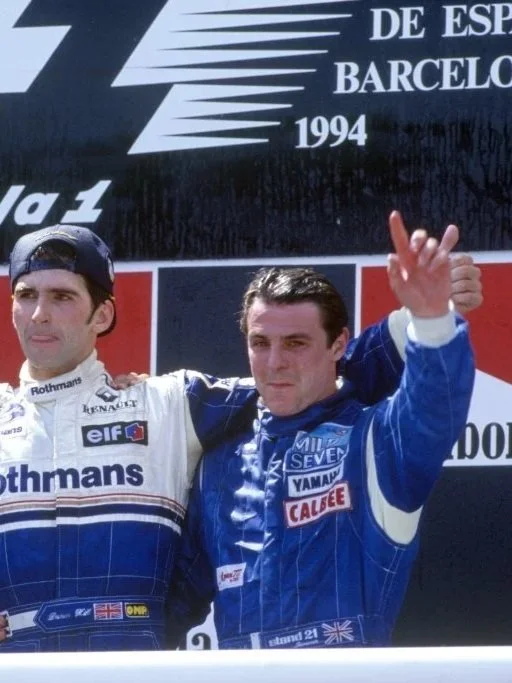
Image Credit: Motorsport Images
Our Purpose
To preserve and celebrate the spirit of independent racing innovation.
Our Values
-
Tyrrell punched far above its weight, proving that independence, passion and bold thinking can beat the odds.
-
From six wheels to carbon fibre, Tyrrell was never afraid to be first, and never afraid to be different.
-
The Tyrrell name belongs on the track.
Our history is lived, rebuilt, restored, and raced, not just retold.
-
Ken Tyrrell, Jackie Stewart, Derek Gardner, we honour the individuals behind the legacy, not just the logos.
-
Team Tyrrell exists for those who love the noise, the smells, the hand-built details, the soul of the sport.